

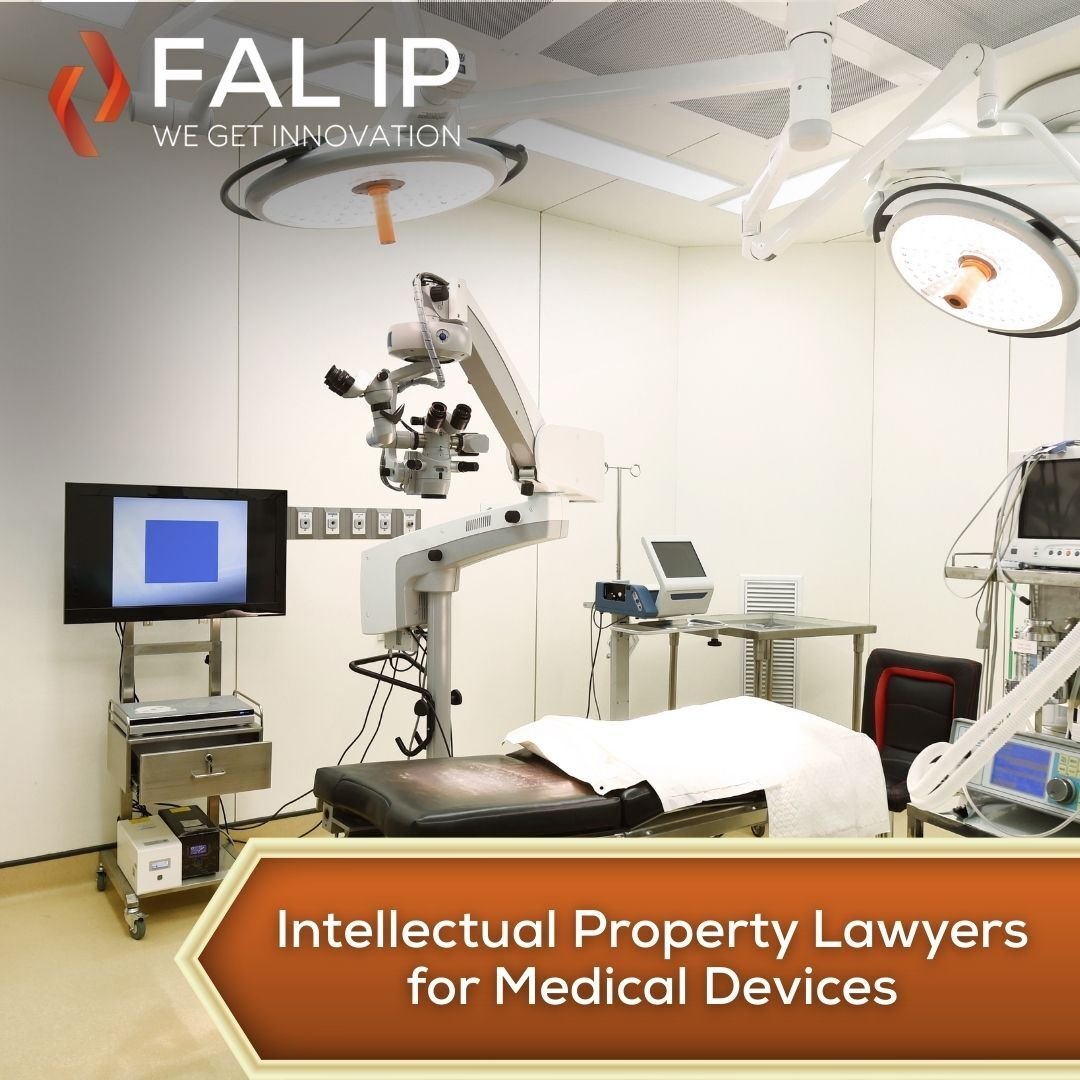
Innovation in the medical devices sector is accelerating like never before. Breakthroughs in diagnostics, therapeutic equipment, wearable health tech, implants, tools and surgical robotics are rapidly reshaping how healthcare is delivered around the world. But in an industry driven by ingenuity, safety, and scientific advancement, protecting your intellectual property (IP) isn’t just good business — it’s essential.
Protecting IP in the medical devices space safeguards your inventions, supports commercialisation, enhances investor confidence, and strengthens your competitive position in global markets. But navigating IP law for medical devices can be complex — driven by overlapping regulatory requirements, rapid technological change, and high commercial stakes.
That’s where FAL IP comes in.
FAL IP are specialist intellectual property lawyers providing strategic legal advice to innovators, manufacturers, start-ups and established companies in the medical devices industry. With offices in both Melbourne and Canberra, FAL IP delivers tailored IP solutions — from patents and designs, to trade marks, enforcement, commercial agreements and global protection strategies.
In this article, we’ll explore why intellectual property matters in medical devices, the types of IP most relevant to this industry, common challenges, and how FAL IP’s legal expertise can help protect and enhance your innovations.
Why Intellectual Property Matters in Medical Devices
Medical device innovation sits at the intersection of engineering, biotechnology, software, manufacturing and healthcare practice. Devices may integrate mechanical systems, electronics, data analytics and AI, all while meeting strict safety and regulatory standards. Developing such cutting-edge technologies often involves significant investment in research and development.
Without robust IP protection:
- Competitors can copy or imitate an invention,
- Market exclusivity can be compromised,
- Commercial value and investor confidence can be lost,
- Strategic partnerships and licensing deals may fall through,
- Revenue streams can be diminished.
Intellectual property rights give you legal tools to protect your creative and technical achievements — ensuring that you retain control, commercial benefit, and strategic advantage from your work.
Types of Intellectual Property Relevant to Medical Devices
Understanding the different forms of IP and how they apply to medical devices is critical. The right protection strategy typically involves multiple IP tools working together.
1. Patents — Protecting Novel Medical Device Inventions
Patents are one of the most critical IP protections for medical device innovators.
A patent gives its owner the exclusive right to make, use, sell or license an invention for a limited period — typically 20 years from filing. In the medical devices world, patents may cover:
- New device structures, components or systems
- Innovative manufacturing processes
- Novel use of materials for biocompatibility or performance
- Software algorithms embedded in medical systems
- Data processing methods used in diagnostics or monitoring
- Integration of sensors and connectivity technologies
Obtaining a patent requires meeting specific criteria — the invention must be new (novel), involve an inventive step and be industrially applicable. FAL IP works with clients to assess patentability, draft high-quality applications, file them with IP Australia and assist with international patent strategies.
2. Trade Marks — Protecting Medical Device Brands
Trade marks protect the identity of your products, including company names, device names, logos, taglines and product identifiers. In the medical context, strong trade marks help:
- Differentiate your products in the marketplace
- Build brand trust with healthcare professionals and patients
- Prevent customer confusion and misuse of confusingly similar marks
- Support global commercial expansion
Trade marks are especially important in competitive fields where brand reputation signals quality and adherence to regulatory compliance.
3. Designs — Protecting the Visual Appearance of Devices
Some aspects of a medical device’s value come from its visual features — the shape, look and feel of housings, interfaces, casings, control panels, ergonomic grips and user interfaces. Design rights protect the aesthetic appearance of a product, separate from its functional or mechanical aspects.
Registered design rights ensure that competitors cannot copy the look and feel of a medical device immediately following market release, supporting premium positioning and product recognition.
4. Copyright — Protecting Creative and Digital Works
While patents and designs often dominate device-related IP discussions, copyright also plays an important role in the medical devices sphere. Copyright protects original works such as:
- Software code (where applicable)
- Technical manuals and documentation
- 3D modelling files and CAD drawings
- Marketing materials and product imagery
Although copyright protection arises automatically once an original work is fixed in a tangible form, a clear understanding of ownership, licensing and contractual rights is essential — especially when third parties contribute to development.
5. Confidential Information and Trade Secrets
Not all valuable IP is registered. Some aspects of device development — such as specific algorithms, proprietary testing data, manufacturing know-how or calibration techniques — are better protected as confidential information or trade secrets.
FAL IP advises on contracts, non-disclosure agreements (NDAs) and internal policies to help ensure that confidential information remains secure throughout development and commercialisation.
Common IP Challenges in Medical Device Innovation
The medical device industry presents specific IP challenges that require specialist legal advice:
Regulatory Intersection with IP Strategy
Unlike many other sectors, medical devices must also comply with healthcare regulations — for example, those administered by the Therapeutic Goods Administration (TGA) in Australia, the FDA in the United States, or CE marking requirements in Europe. IP lawyers often work alongside regulatory experts to ensure IP filings align with development timelines and compliance requirements.
Software and Data-Driven Innovations
Many modern medical devices incorporate software, machine learning and digital analytics. In some cases, software patentability requires careful drafting to satisfy patent office requirements. FAL IP’s team supports clients in developing patent claims that capture both hardware and software innovation where possible.
Global Protection and Commercialisation
Medical devices often target international markets. Protection in Australia does not automatically extend overseas — making global patent, design and trade mark strategies essential. FAL IP advises on coordinated filing strategies, timetables and territorial considerations to support global market entry.
Collaborations and IP Ownership
Medical device development frequently involves joint efforts among start-ups, research institutions, hospitals and specialised manufacturers. Clear contracts that define who owns what IP and how it can be used are essential. Without clear ownership and assignment terms, disputes can arise that jeopardise product release or licensing deals.
How FAL IP Helps Medical Device Innovators
FAL IP provides specialist services designed to protect medical device innovation at every stage of development and commercialisation.
IP Strategy & Audit
Before filing any IP protections, FAL IP helps medical device teams conduct comprehensive audits to:
- Identify candidate inventions
- Assess commercial value
- Determine optimal protection strategies
- Map global filing needs
Preparing a smart IP strategy early can save time, money and potential legal risk later.
Patent Drafting, Filing & Prosecution
FAL IP assists with:
- Patentability searches
- Drafting technically precise patent applications
- Filing with IP Australia and international authorities
- Managing prosecution and responding to office actions
- Advising on infringement risks and enforcement strategies
This ensures that the most commercially valuable aspects of a device innovation are protected effectively.
Trade Mark Filing & Brand Protection
From clearance searches to trade mark registration and enforcement, FAL IP helps:
- Strengthen brand identity in medical markets
- Prevent infringement or dilution of product names
- Manage trade mark portfolios in multiple jurisdictions
- Support brand-aligned marketing strategies
Trade marks protect reputation — a critical asset in healthcare environments where trust matters.
Design Registration & Enforcement
For devices with distinctive look and feel, design registrations:
- Protect the visual aesthetics
- Reinforce product identity
- Prevent competitors from copying product design
- Add tangible IP value to commercial portfolios
Copyright & Digital IP Protection
FAL IP advises on:
- Ownership of software and documentation
- Licensing terms with third parties
- Contract provisions relating to IP rights
- Copyright enforcement issues
This ensures that software and creative components of a device remain protected and usable as intended.
Confidentiality & Trade Secret Protection
FAL IP supports medical device developers with:
- Non-disclosure agreements
- Contractor and collaborator IP assignments
- Internal policies for handling confidential data
- Dispute prevention and remedies
Preserving confidential information protects competitive advantage and sensitive development work.
Melbourne & Canberra — Strategic Bases for Australian IP Support
FAL IP operates from two key Australian locations, providing accessible, responsive legal support to clients across the country and internationally:
📍 Melbourne Office
Level 45, 600 Bourke Street
Melbourne VIC 3000
📍 Canberra Office
Level 3, 10 National Circuit
Barton ACT 2600
📞 Phone: (03) 9642 2252
📧 Email: ip@fal-lawyers.com.au
With offices in both Melbourne and Canberra, FAL IP combines local presence with national reach — helping medical device innovators receive timely, expert support no matter where they are based.
Why Medical Device Businesses Choose FAL IP
Medical device developers and manufacturers work with FAL IP because the firm offers:
- Specialist, sector-focused IP expertise
- Practical advice aligned with commercial goals
- Support for filing and enforcement domestically and overseas
- Legal strategies integrated with regulatory realities
- Clear communication and responsive service
From start-ups seeking early protection to established companies managing global portfolios, FAL IP provides pragmatic, value-driven IP solutions.
Real-World Scenarios Where IP Matters in Medical Devices
To illustrate why IP matters, consider these real-world examples:
Scenario 1 — A Breakthrough Diagnostic Device
A start-up develops a novel diagnostic platform combining hardware and machine learning. Without careful patent drafting, the software element might be excluded from protection. FAL IP’s expertise ensures both hardware and software are captured in robust patent claims.
Scenario 2 — New Surgical Tool with Distinctive Features
A company creates a uniquely shaped surgical tool that improves ergonomics and performance. By registering both design and patent rights, they protect function and form — safeguarding against imitation.
Scenario 3 — Global Market Expansion
A medical device business in Australia plans to launch products in Europe and North America. FAL IP helps design an international patent and trade mark strategy, coordinating with foreign associates to secure protection across key markets.
Conclusion: Protect Your Innovation with Specialist IP Lawyers
Medical device innovation is complex, costly and highly rewarding — but without effective intellectual property protection, your invention may be vulnerable.
Whether you’re developing device hardware, proprietary software, ergonomic designs, or global brand identity, securing IP rights early and strategically is essential.
FAL IP are specialist intellectual property lawyers who help companies in the medical devices sector protect, enforce and commercialise their innovations. With offices in Melbourne and Canberra, FAL IP provides industry-relevant legal services designed to support growth, reduce risk and maximise the value of your intellectual assets.
👉 Explore FAL IP’s medical devices expertise here:
https://fal-ip.com.au/medical-devices
Please note: This blog post and content is not legal advice, and is general in nature. You should seek legal advice from one of our experienced Lawyers, for advice specific to your and your business.